Dealing with the ups and downs
Chronic illness isn't as constant as you might imagine. There are ebbs and flows, ups and downs.
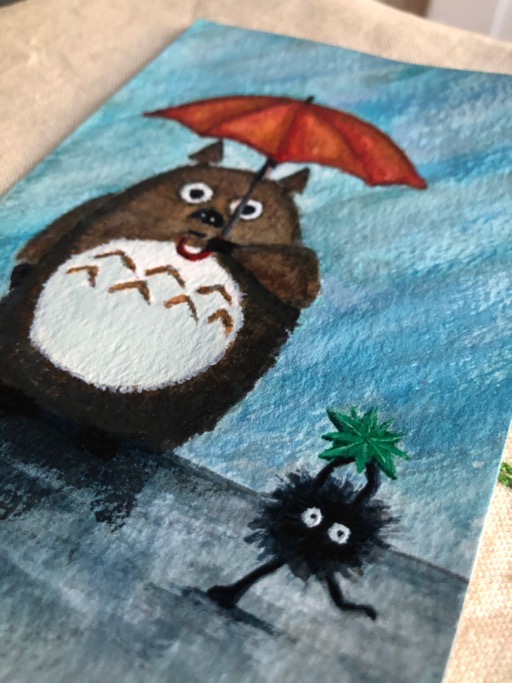
Chronic illness isn’t as constant as you might imagine. There are ebbs and flows, ups and downs.
It’s so easy and tempting to get your hopes up on the good days, desperately hoping that this is the end of the pain, especially when you have a run of good days. Only to have them tragically dashed when a bad one arrives.
This depressing cycle repeats itself, not just for the one with the chronic condition, but also carers and loved ones.
I can speak as one who has several chronic and painful illnesses, 40 years or more for some of the conditions. I’ve often felt my body is at war, never wanting me to be comfortable or happy. A few times, symptoms have receded and given me hope that I could return to a ‘normal’ life, but alas not.
If you can’t stop it, what can help lessen its impact?
What can make the good times a bit better?
Focus on the present
I try to take each day as it happens. Something that took many years to learn, and I still rail against the bad periods.
If I wake up on a high pain day, I let tasks slide, say no to requests (where reasonable), and focus on self-care. Very occasionally, I will push through to enjoy an important event, to teach a class, or meet a work deadline. I’m getting better at not beating myself up when I miss out on events, turn down invitations, or cause more pain if I decide to do something.
Focusing on just the day ahead, sometimes even the hour ahead, and not planning into the future (who knows how you’ll be at that time) reduces self-beating. Of course, it’s important to not pine after the better periods in the past too.
Meditate and visualise
In the last few months, I’ve found meditation to be a useful tool. When future worries or past longings bog me down, I take a few minutes to sit, breathe and focus on my body, as it is right now. And try to relax tight muscles, or just sit with the pain and breathe into it for a bit. Although I’m not good at it, I try to let drift away, sometimes even visualising ripples on water from koi fish surfacing.
On a better day or good event, I try to bring those feelings in to my thoughts, being grateful and holding them, rather than letting them just drift away.
Update 2026: I’ve learnt some breathing exercises that bring one into the moment from my psych. When you breathe in fully, try to breathe in once more, then breathe out slowly, and try to breathe out once more without taking another breath. Then repeat. It really helps to calm anxiety and helps when there are nasty pain spikes.
Another technique I learned through PTSD therapy was to build my safe place in my mind - my ideal location - and to spend time noticing everything in there. It calms the breathing, relaxes muscles, and is a good way to fell asleep.
Enjoy a little something
I have a mountain of low-energy things I enjoy. Reading fiction, listening to music, drinking a cup of tea or coffee, eating a delicious truffle chocolate or cookie, gaming with feet up in bed or on the couch.
Some other enjoyable little things are actually therapeutic: soaking my hands or feet in hot salty water; steaming my head with eucalyptus or lavender oil; relaxing, eyes closed, with a heat pack on my neck or back; taking a long, hot shower or bath.
I used to have some more crafty things like drawing, stitching, baking or preserving, but sadly (in 2015) I’m having trouble with one of my wrists.
Having at least one enjoyable thing to look back on at the end of a day makes the bad days seem less awful.
Update 2026: And I’ve added more tools to my low-energy crafts - Spinning yarn with an eSpinner or a supported spindle (if my arms can handle it), weaving on an inkle loom or small rigid heddle loom, handsewing patchwork, embroidering something or doing a little cross stitch or sashiko, and listening to audiobooks or YouTube.
Move mindfully
Being mindful of yourself, what you are doing and your surroundings, helps to ground you in the present. Just don’t start beating yourself up for the things you find difficult.
I’ve always an absent-minded mega-kutz, injuring myself on all sorts of things. Jamming finger joints when trying to grab door handles and open doors, dislocating toes while walking on carpet (!), falling over on uneven ground, breaking toes by misjudging corners, bruising myself left, right and center. And I cursed myself every time I was clumsy.
Moving mindfully and wearing barefoot shoes outside has reduced ankle and knee pain as I pay attention to how and where I step and can feel what the ground is doing more easily - that’s important when you live in a place with uneven cobblestones all over the place. Mindful movements have led to me bBurning myself less often on hot things from the oven or stove, avoiding walking sharply corners and lifting things more carefully.
Of course, it’s difficult, especially with a new symptom/injury. The number of times I’ve recently picked up a bottle or the kettle, or tried to open a jar, and made my poor wrist scream for mercy, shows I need to work on this. But I’m not berating myself for being forgetful as much as I once did. Or, at least, I’m trying not to!
Update 2026: My partner is starting to show signs of trouble with his hands, and I can see myself in him, back when I had not learned mindful movement skills. It is so easy to let your mind slip or think about something else, and then make wrong movements - I think that not paying attention fully is behind at least half of all clumsiness.
Be grateful for something
It’s awfully difficult to be grateful for anything when you are hiding in a dark room, head pounding, lights flashing, stomach churning, fighting another dreadful migraine.
On those days, I can only find the smallest things - comfy flannelette or linen sheets, good loose tea, purring cats, heat packs, a lavender hand cream, my comfy handmade undies, even just the darkened and quiet room.
Ending and starting the day being grateful for a few things, helps remind myself to focus on the present, enjoy the little things, and be mindful in how I move. Finding small things to enjoy, on good days and bad have helped me better accept my chronic conditions, on most days. Of course, there are still the absolutely awful days where nothing seems to help.
Update 2026: I have a few more tools these days …
Stay offline
Don’t read news. Don’t check social media. Don’t pick up the phone at all, if possible.
It’s been especially important to me in recent years to leave my phone out of my bedroom at night. I would love to leave it out of my home office, but those two factor authentication codes are a bane to my phone-free existence.
I do bend this rule for good online things - participating in a crafting hashtag is a good mood booster. The spinning, knitting and weaving community on Mastodon is fabulous for triggering smiles. Also, listening to audiobooks, as I don’t have a non-phone portable solution.
Do small challenges
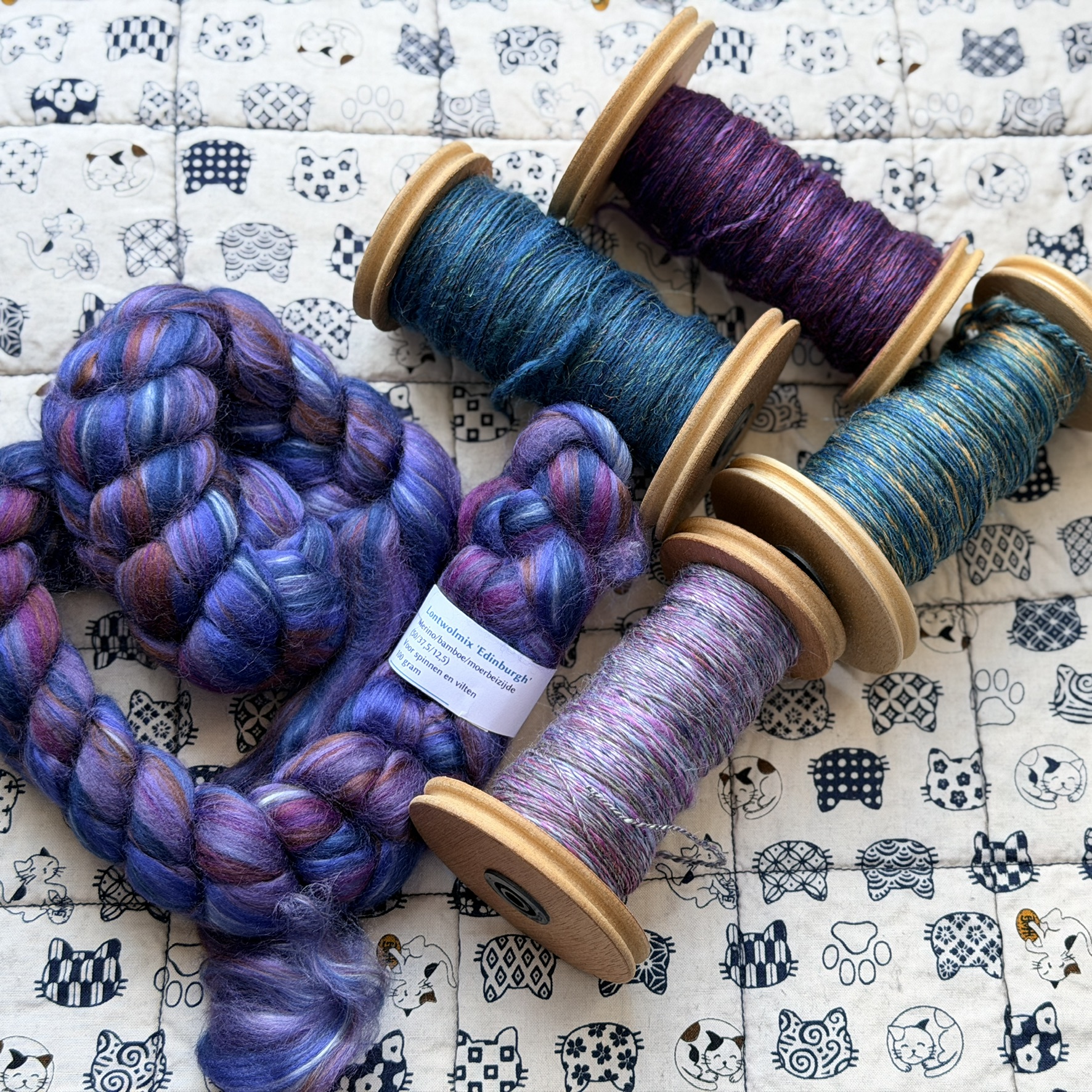 A 30 day, 50 day or 100 day challenge can help provide a bit of dopamine and motivation to get through the painful days. Of course, not anything that requires serious exertion!
THree of my favourites are the #TourDeFleece for spinning during the Tour de France, #FinishOrFrogAlong for working on (or abandoning) unfinished projects, and #Inktober for sketching with inks.
You could choose to write every day, go outside every morning for five minutes, use a moisturising body or foot cream, stretch or meditate every day, draw or paint every day, hang from a door frame, or write a (physical) letter or postcard every week for a year.
I find challenges much easier to do than building habits (neurospicy brain, yay), and they feel much more rewarding when done alongside others. There are some good aspects to social media and an online life.
Distraction is ok
When things are really difficult and painful, distraction is a perfectly good tool. For me, that’s losing myself and getting completely absorbed in a game, or spinning, or knitting.
It’s not something I can do every day, although as a recovery tool after my breast cancer operation, this was the best and biggest help to keep my mind from dwelling on the pain and the constant doctor visits and therapies (Anno 2250, if I remember correctly). And gaming intesives helped me go through the Effexor withdrawal period while I was housesitting. It was easier to ignore the emotions and brain zaps when focusing on a game (at that time it was Starcraft 2).
It does help to have someone check in on you, if you are like me. They can double check you have taken any tablets and medications that you must take, that you have water and food at regular intervals.