Playing piano with chronic pain
There are many physical problems that can prevent and/or be caused by piano playing. Personally, I have persistent tenosynovitis from my psoriatc/spondyloarthritis and a ganglion cyst inside my right wrist joint. So how do I play piano with that?
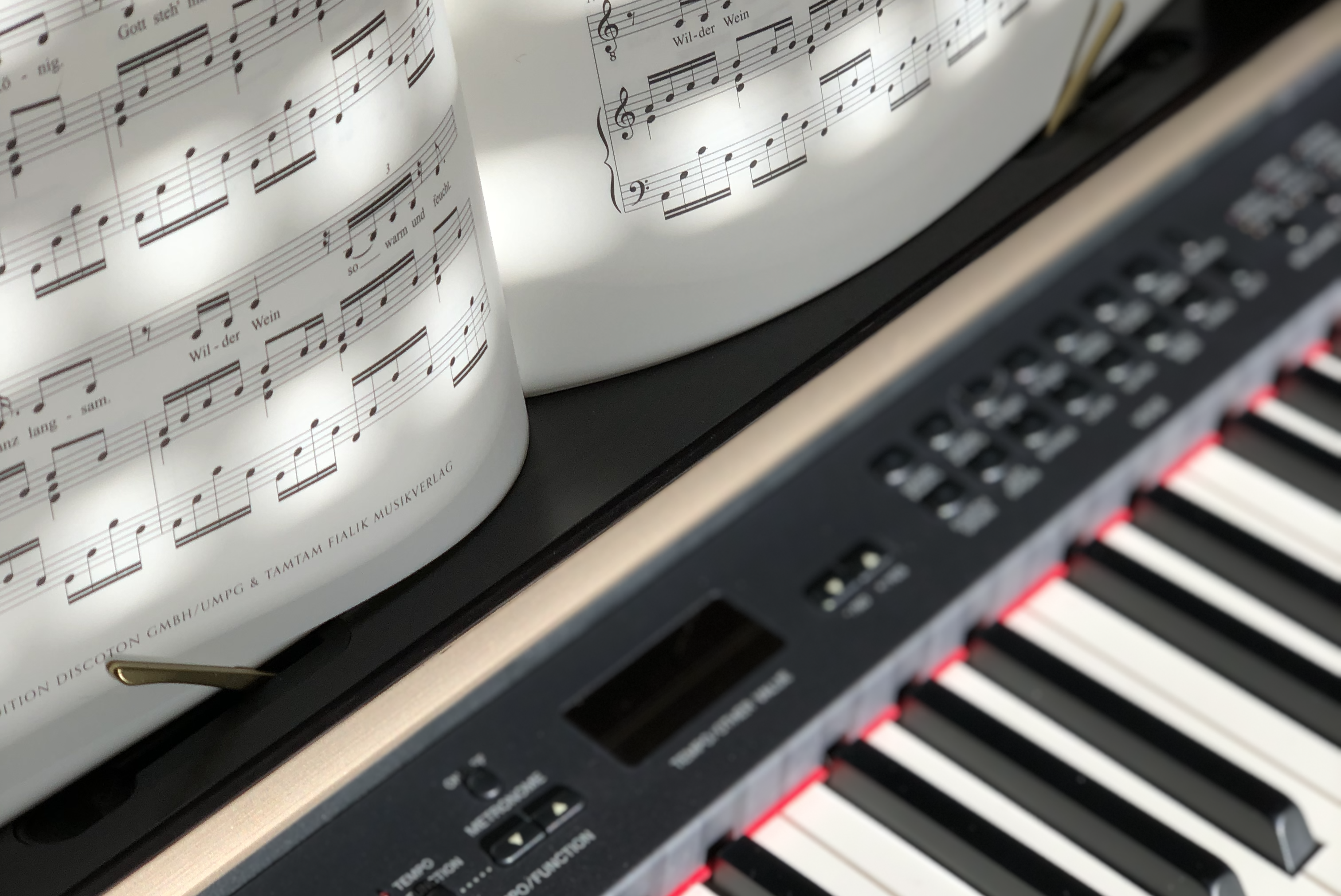
I started learning piano at age 5, and continued with lessons, exams, performances, accompanying other musicians and teaching kids until my 20s. Then, I took a long break - university, work, moving overseas - life got in the way.
When I wanted to finally return to the keys and recover some of my skills, I found my right wrist hurt far too much, and my fingers were no longer flexible or strong.
A synovitis diagnosis
The wrist is a complex joint, where lots of nerves need to go through quite a small space. If the tendons, fascia and muscles around that channel become inflamed, they can compress nerves and cause all sorts of additional problems.
 Through poor positioning during a completely unrelated operation (hysterectomy), my wrist and forearm was badly injured. Seeking help, an orthopedic surgeon wanted to rule out any rheumatic problems.
With an xray and MRI of my wrist in 2015, synovitis and a ganglion cyst deep inside the joint were found, which led to further investigations, multiple hospital stays, and ended in a spondyloarthritis diagnosis in 2016 and refined to psoriatic arthritis in 2020.
Spondyloarthritis is a bit of an umbrella, and many of the more specific arthritis types under it cause tendons and the connective tissue (fascia) that surrounds and supports muscles to get inflamed - swollen, angry and painful.
The rheumatologists now believe I have had this autoimmune arthritis my entire life - it is genetic and everyone on my father’s side all have it - but this was the first time it had attacked my wrist joint.
At the time of diagnosis, I was devastated. I couldn’t use my right hand at all. I couldn’t hold a knife when eating, brush my hair or teeth. I couldn’t even write. How could I play piano again?
Rest
In the Musician’s Way, Gerald Klickstein advises not to push through pain, but to rest. So I did.
Use a supportive brace
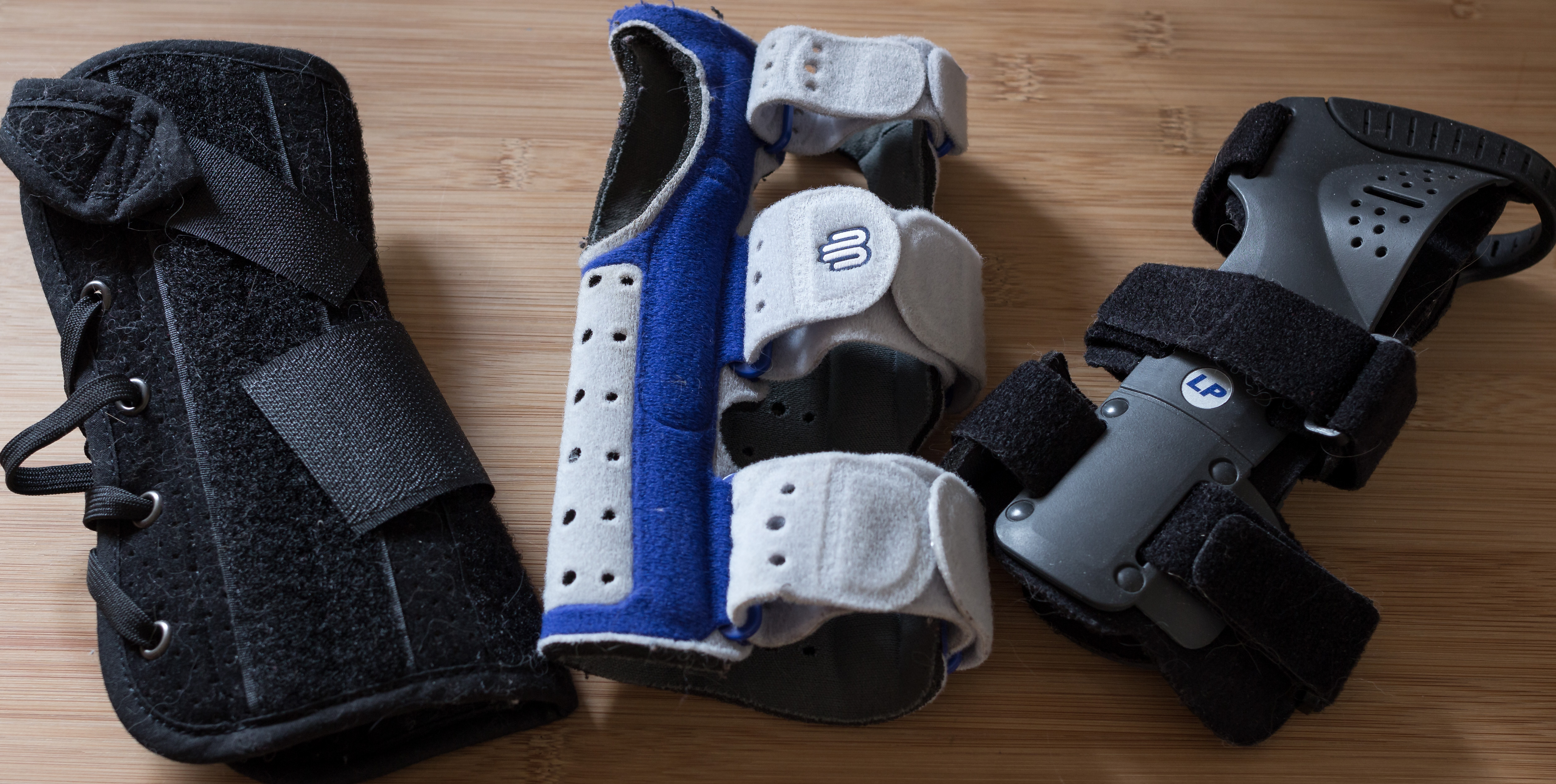 My orthopedic surgeon prescribed a wrist brace to wear every day. It had metal strips above and below, immobilising the wrist. And I found a few other good braces, including one that could be worn in the pool when I started water gymnastics for the rest of the arthritic joints.
The main movement direction that caused a lot of pain was bending it backwards.
Over a long time, I was able to reduce use of the braces, and now, I only put them back on when the wrist is hurting - when this most ridiculous arthritis has decided the wrist is the joint-of-the-day to be inflamed.
Move to mobilise
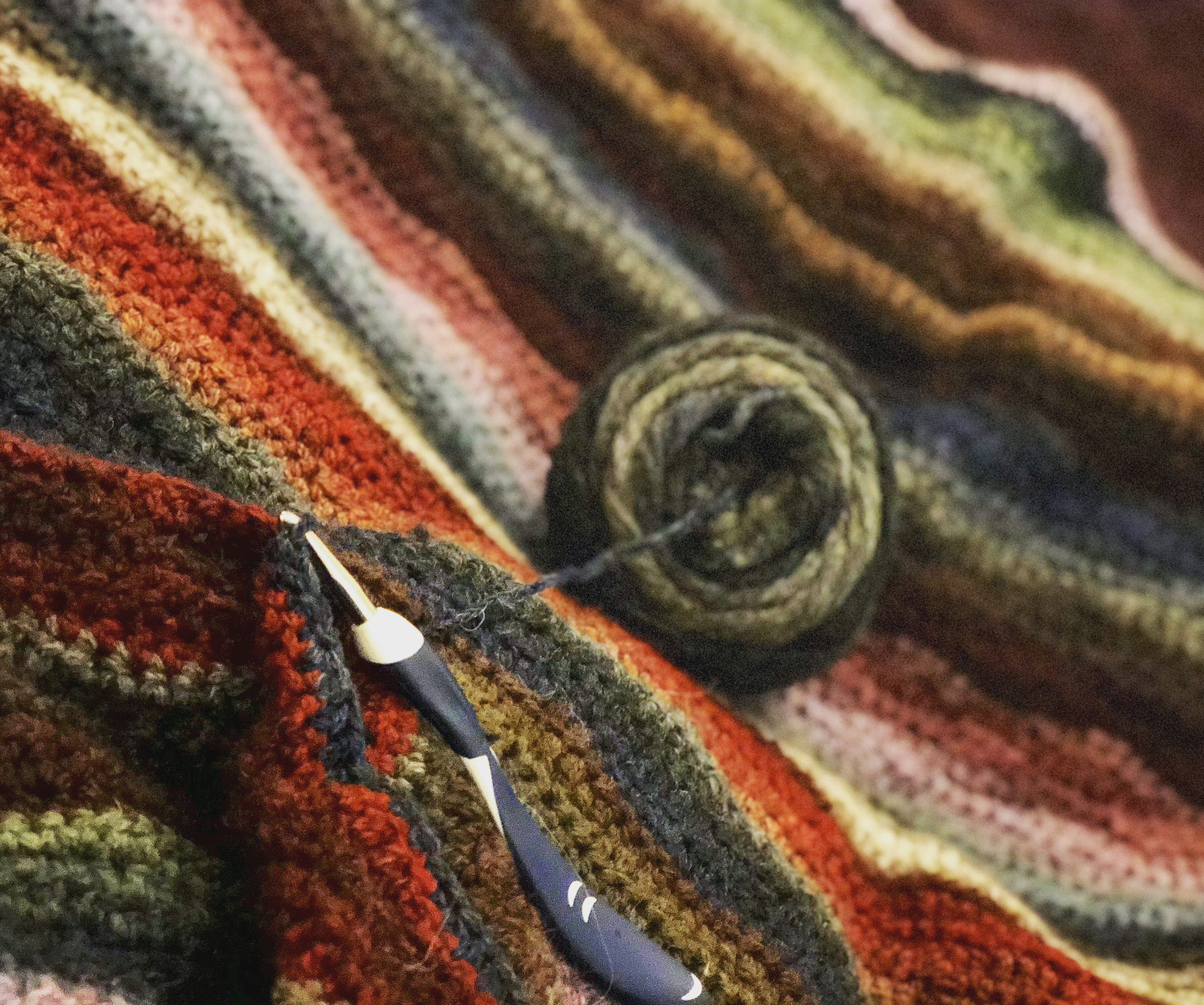 At that time, I also found crochet. The gentle, small, circular movements of manipulating the hook around the yarn was ideal for rehabiltating my wrist.
But, I had to start small, and build up very gradually.
As my arthritis does not go away, I have to be careful about moving every day:
- gentle wrist stretches - this video has wrist stretches most similar to the ones the physio prescribed me, but do them very gently, only to the point of stretch and never to pain. Don’t use your body weight to intensify a stretch through a dodgy wrist!
- arm and shoulder stretches, modifications to exercises so I don’t put my weight over my hands if they are bent back (pushups, cat-cow stretch)
Attend therapy for wrist flexibility and strength
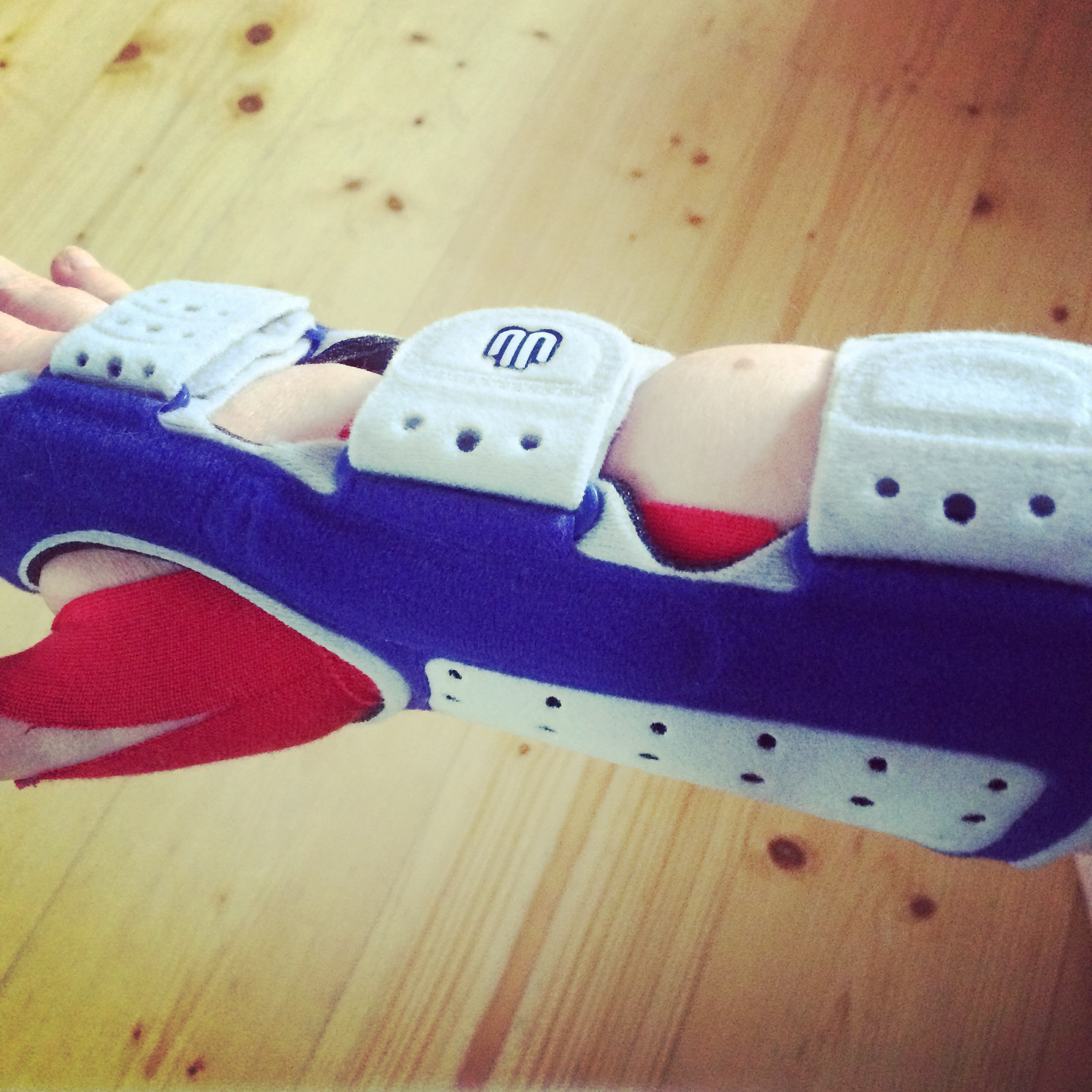 Along with crochet, the wrist brace and the finger exercises I learnt during ergotherapy, in 2016, I got physiotherapy on the wris:
- massage and manual therapy
- supported stretching
- ultrasound for deep warmth
- kinesiology taping for additional support
I still need to get physioherpy on it today in 2026, ten years later - that tenosynovitis and the ganglion cyst has never fully gone away.
Take medications
Many can take ibuprofen or other anti-inflammatories. I can’t, as my kidney function is too poor - why my kidneys are so damaged, is another crazy medical story for another day.
A course of cortisone helped reduce the inflammation in the joint to the point where I could do mobilisation exercises and stretches in warm water. For the fingers, scrunching warm rocks and sand in ergotherapy classes helped - warmth in general helped enormously, as by this stage, it had been half a year since the diagnosis.
The rheumatologist put me on sulfasalazine (allergic!), then methotrexate (no change), and finally adalimumab (wonderful!) for the arthritis inflammation.
The recovery process to get back to piano

- When you first get synovitis or tenosynovitis or a wrist injury, stop playing.
- Seek help - take medication, use a brace, get physiotherapy.
- Gradually start moving again - stretch, take up crochet and slowly, slowly expand your range of movement and strength. Stop immediately when it hurts.
- When mobile and not in pain, play something easy and gentle, for short periods. Start with 5 minutes or 10 minutes and avoid anything that hurts.
- Avoid repetitive and strenous tasks - Limit computer use and wear a brace for household tasks like cooking or cleaning.
If you have a job that requires you to use a computer, get a split keyboard and a vertical mouse.
Use the brace whenever it hurts.
Gentle music to play
I find practicing scales, repetitive passage and one-hand octaves to be the most difficult as they build a lot of tension in the wrist. While I adore Beethoven and Rachmaninov, boy can they hurt!
- Erik Satie - Trois Gymnopedies and Trois Gnossiennes
- Philip Glass - slow and gentle arpeggios
- Ludivico Einaudi - Islands and Islands II are beautifully gentle
- Chopin - many Nocturnes can be played gently and aren’t too taxing on the wrist
- Mendelssohn - Songs Without Words
It’s been a while since I first wrote this article for Hubpages back in 2016 - 10 years! - and I’ve kept up the wrist exercises every day and therapy whenever it got too sore. These days I can play shorter stints of Beethoven and other more demanding composers, as long as I don’t do it every day, and as long as I massage, stretch and apply heat before and after each session.
You can enjoy playing the piano with autoimmune arthritis and synovitis!