Moving house
I'm moving house. Again. But the stairs are worrying me.
You’d think I’d simply stop moving houses someday! This is my 20th move in fewer than 20 years. That’s an average of one move per year. Too often - especially when you consider that these were all done while dealing with chronic illness and chronic pain.
Culling all my clutter was difficult when I moved overseas. Selling stuff was terrible. Deciding what to ship over was incredibly difficult. The posted boxes were pretty though - all covered in stamps.
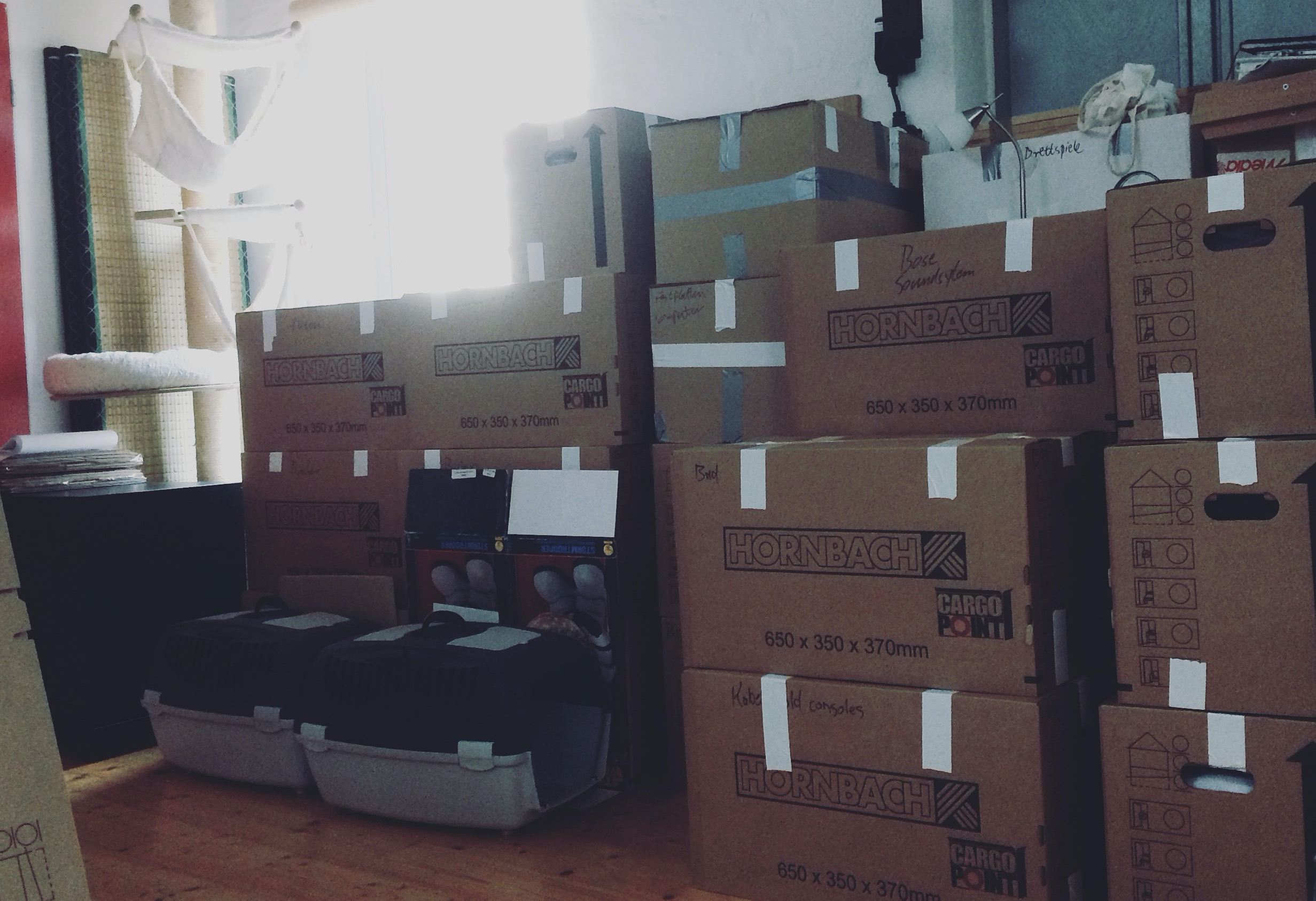
Still, here I am, packing everything once again. Finding too much new clutter, and trying to keep piles stable enough for the cats to jump on them (as they are wont to do).
It’s rather rushed this time. Yet I need to plan to build a new kitchen (German flats are often kitchen-less) - appliances, cupboards, sink, fridge, stove, range hood - all the big things. I’ve picked the appliance models, and am waiting on the key before I plan the layout and cupboards - measurements are important, and these walls are undoubtably not square.
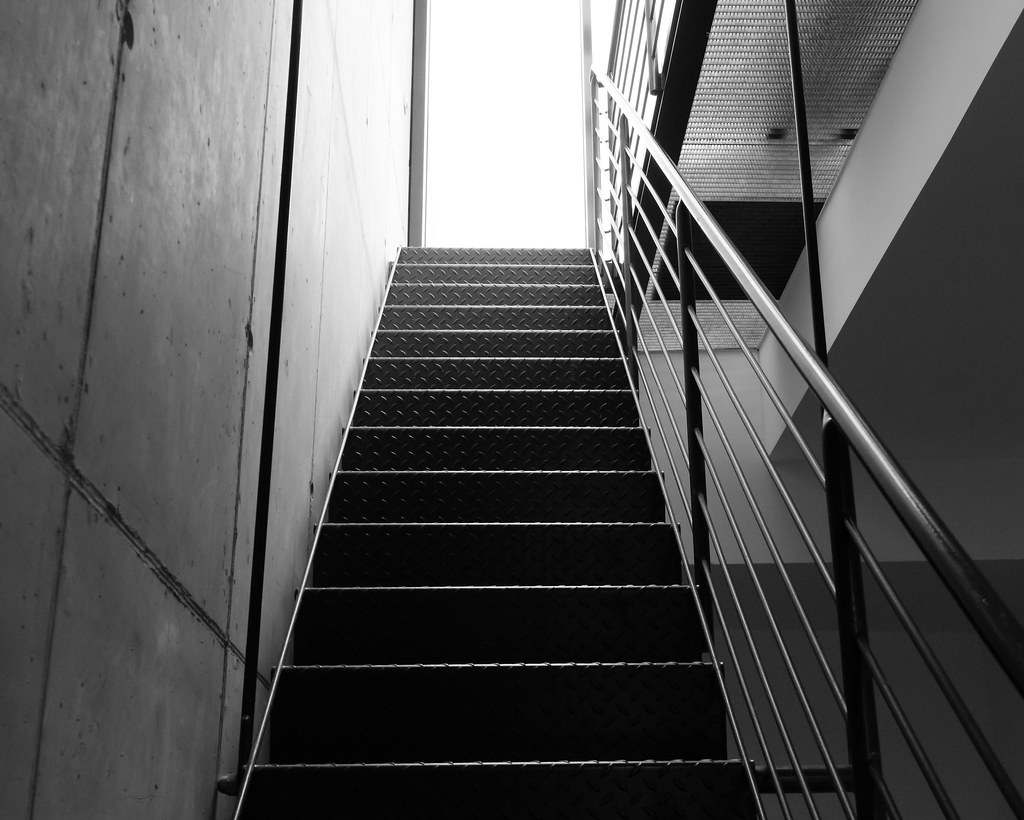
The thing I’m most dreading is the stairs. Six flights down (to move out), and a see-through step spiral back up to move in to the new place. How do you get a piano up that?!
Plus, I have a phobia of stairs.
I was once trapped under a trampling herd of students - I tripped as we all rushed to our lockers at lunchtime. Stairs that I can see through have been a problem since then.
But worse was, a decade later, falling down a tall flight carrying a full washing basket, in the middle of the night, alone, head first.
A nasty concussion, a collection of seriously impressive bruises, and some torn ankle ligaments that would never heal cemented my fear of stairs forever.
The packing and unpacking - no problems! I can breeze through that in no time, as long as I don’t have too much normal teaching work to do.
The physical moving from one place to the other… less easy. But doable with a lot of help from family and friends.
The stairs hoever, - utterly petrifying!
Still I’ve done it often enough that I know I’ll get through this one too.
Tips for moving house with chronic pain
I published these tips back in 2013 on HubPages. As that site is no longer, I’m republishing them again here.
1. Take care of yourself
- Breathe
- Being mindful of and relaxing your breath can reduce pain in the best of times. While you move house, it’s even more important.
- Stretch regularly
- I can’t emphasize how much stretching and gentle movement helps with muscle and joint related pain. Both my sciatica and costochondritis are made much more manageable.
- Move a little at a time
- If you have an overlapping lease, you can move gradually. A carload of boxes each day for several weeks is more manageable than a household full of boxes and furniture all in one day.
- Do things slowly and carefully
- Avoid injuries and lessen stress. Use the correct posture when lifting, twisting and carrying.
- Get help
- Get your friends and family to pitch in and lessen your load. Alternatively, pay a moving company to do all the heavy lifting and carrying (or even the packing/unpacking if you can not handle it).
- Use sports rubs
- If these or anti-inflammatory gels help you, use them proactively, of course, according to the directions on the pack.
- Take your medication
- Understand that your pain medication needs may be higher during this time and talk to your doctor in advance.
- Deal with the dust
- If you have dust allergies, use a dust mask and gloves when packing, moving and unpacking and dust as you go. Keep a damp rag around to take dust off items as you pack them, or to dust of moving boxes if they had been in storage for a while.
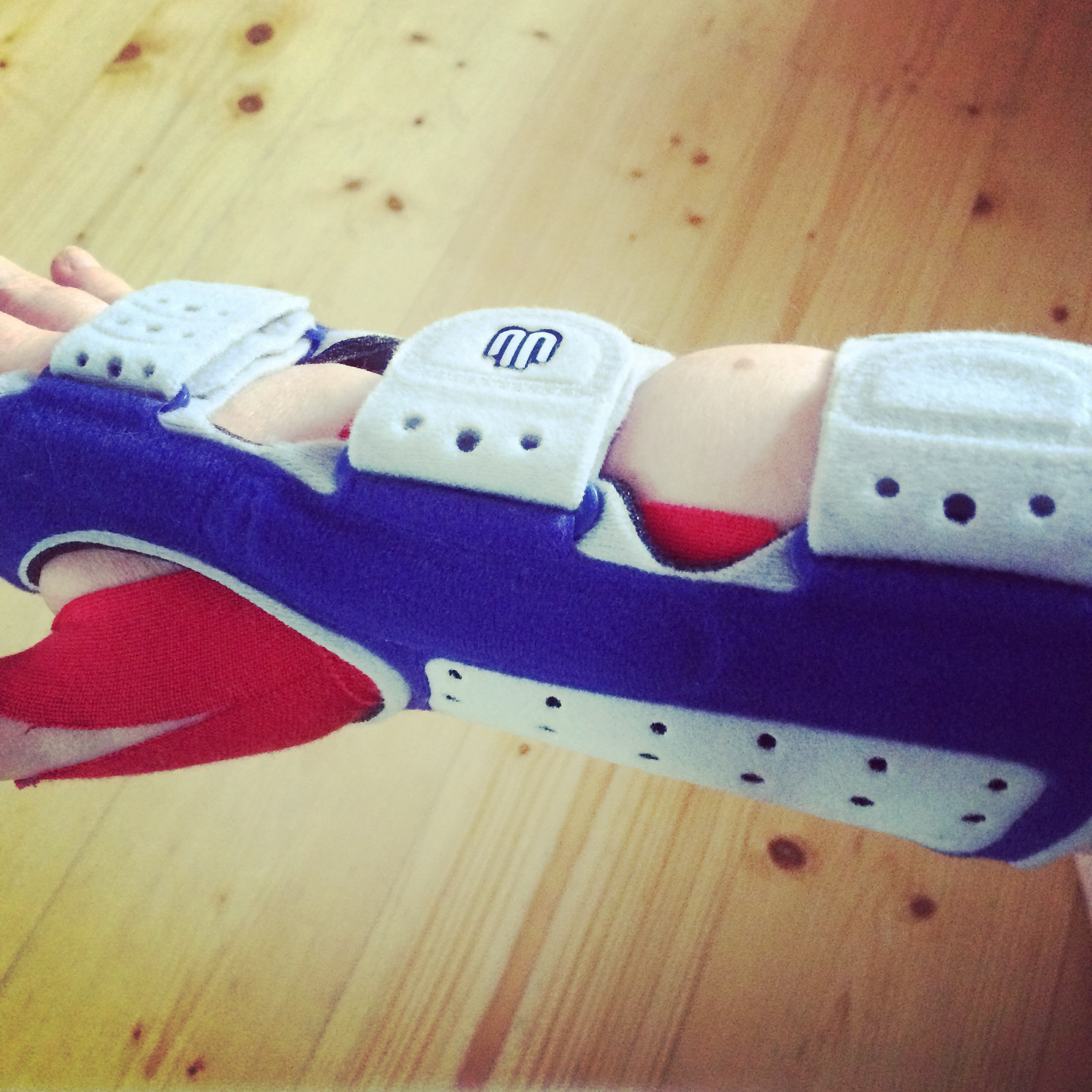
- Use wrist, knee, ankle or other joint braces pro-actively
- If you know you have a problem with a certain joint, don’t wait for it to hurt - protect it in advance to avoid joint pain.
- Have a nightly hot bath
- Epsom salts are great for aching or cramping muscles and for getting to sleep.
2. Plan the move
Organise your move carefully to manage your pain and your stress levels. Try not to procrastinate or be too much of a perfectionist.
- Set dates - key pick up, moving company (or friends), electricity, phone, water, gas, internet, purchase of new appliances, etc.
- Keep in mind any doctors, vets, or other appointments, especially if you are a freelancer.
- Make lists and checklists - things to buy, shops to go to, people to contact, places where your address needs to be changed. I find keeping everything in one book useful.
- Get packing supplies well in advance - fruit boxes from your local grocery store are stable, although are typically not sealed. Packing boxes can cost a fortune, but if you are moving overseas, this may be your only option.
- Buy more than enough packing tape or fabric tape than you think you need - I bet you’ll make at least one more trip to buy some more!
- Get family members and friends to save up things you can use to pack - newspapers, boxes, bubble wrap. It will reduce the costs.
Tip: Boxes with handles built in are easier to lift and carry safely if you have back problems.
Measure everything and simulate
Once you have the key, get in and measure everything. If you have non-right-angled walls, measure the angles too. Then measure your existing / newly purchased furniture.
Make a scale diagram of everything, and arrange so your furniture fits. That way, you won’t have to move heavy furniture twice, or leave something behind.
Don’t forget to plan electricity, audio and network cabling - I can’t count the number of times I’ve needed to run out for an extension cord, a longer LAN cable, or yet another power strip or double adapter.
Take photos
This is essential where renters have few rights and owners are ruthless in not giving bond deposits back.
Take photos of the condition in which you received the new rental - before you clean, paint or move anything in, ideally with the agent or owner present - they should be filling out a condition form anyway. Give a copy of the photos to the agent on a CD/DVD with the moving in condition report.
Save the listing photos as well, and screenshots of the listing details of the new rental - the agent will have these, but it’s always good to have your own copy to refer back to.
Take photos of the place you are moving out of after you have cleaned. Provide both sets of photos (moving in and moving out) to the old agent or owner of the place you are leaving. It’s easier to get your bond back this way.
Paint before moving
If you want to decorate the walls with wallpaper or paint, do it before you move anything. Select your colors and paints in advance, and purchase the needed brushes, rollers and clean up equipment.
Make sure you allow yourself enough time, buy enough paint and get two of the brushes, glues, tapes, rollers and trays you need - more if you are going to have extra hands helping you.
Clean just before moving in
Leave enough time beforehand to clean all surfaces before you start moving in - it’s easiest to clean when there is nothing in the way. You may need to clean again after unpacking to get rid of the dust of the boxes, especially if you have allergies.
3. Pack at least one box every day
 Pack at least one shelf or cupboard per day - you need to spread the activity out and reserve your stamina. Chronic pain sufferers have less than normal, healthy people.
Plus, if you have pets, they will get less stressed if you pack over a longer time, than if you are a bundle of stress and try to do it all in one week.
While packing
Start with the least items, like books, DVDs, etc., and work your way through to the more often and more recently used things (kitchen).
Keep a few towels and cleaning supplies unpacked. Make sure your medication and helpful treatments (sports rubs, braces, etc.) are always accessible.
- Raise boxes off the floor - rest the box you are packing on an ottoman, footstool or low table.
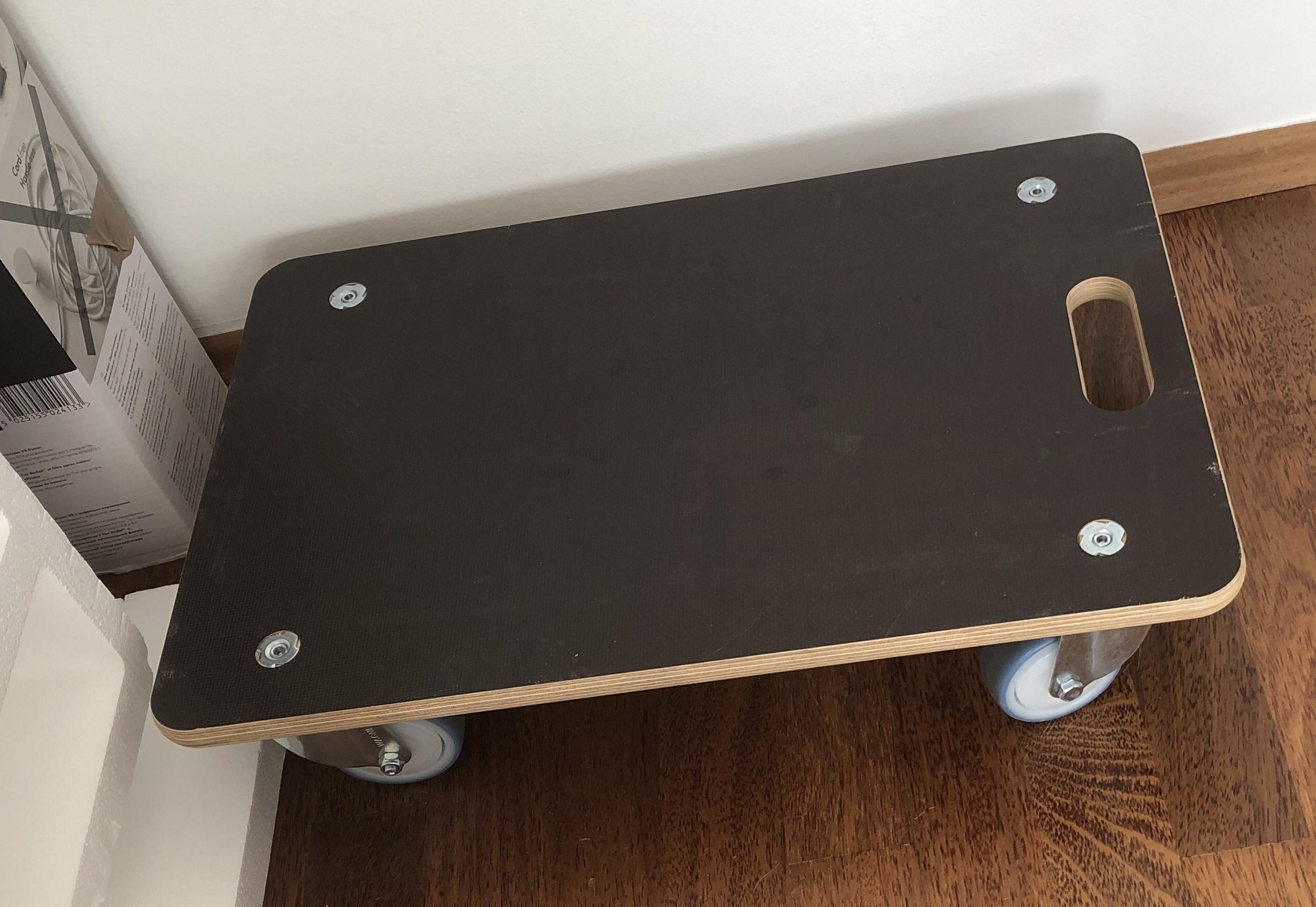
- Use a flat furniture trolley - move boxes around on the trolley, rather than lifting and carrying them.
- Wrap stacks of plates and bowls - place newspaper or thin foam between them and a good tight cushion of bubble wrap or foam around the outside.
- Use clothing and towels to pad - instead of filling all the gaps with bubble wrap, pack anything soft - towels, clothing, bedding, cushions, toys …
- Don’t make boxes too heavy - don’t fill an entire moving box with books, but put a layer of books under a layer of lighter things. It’s easier to move lighter boxes.
- Label 3-4 sides - Write on the top and at least two of the sides. It’s not fun looking through all of your boxes for something you know you have already packed. You might want to number them too, but I found I couldn’t be consistent with this.
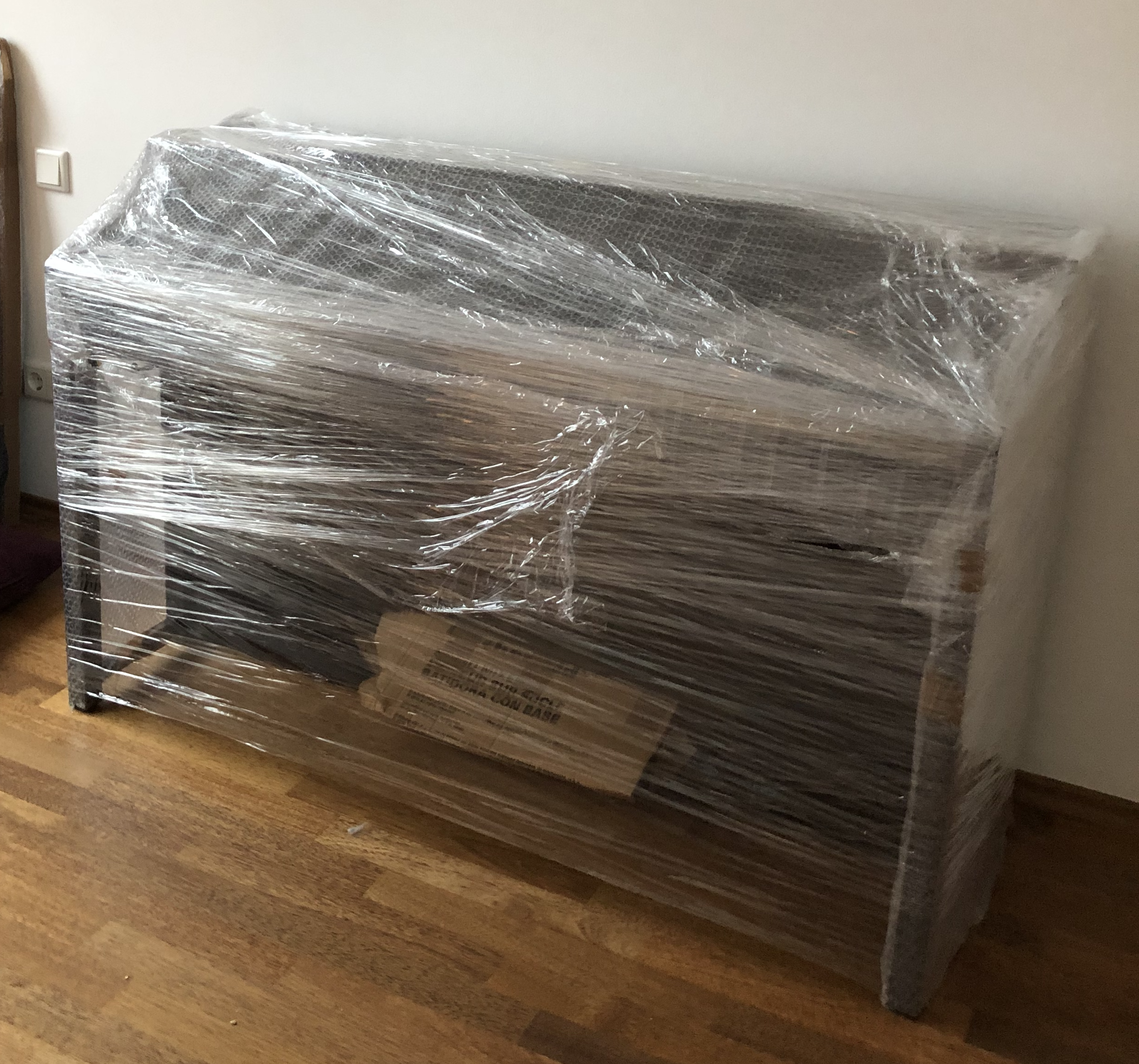 Wrap precious things carefully - After protecting the pedals with a broken solid box, the e-piano was wrapped in bubble wrap, then with packing ‘cling wrap’ then with blankets as it was put into the truck.
4. Decrease your load
Sort as you go - you don’t want to move junk and clutter. Use this an opportunity to get rid of your clutter. Sort your stuff into piles as you go, bin the rubbish and donate the good stuff.
Sell the more valuable items - if you have a long time before you move, you can sell excess stuff on eBay, Craig’s list or hold a garage sale. Freecycle is also good for reducing your pile of unsaleable items. Just be sure to plan the extra time needed to collect payments, organise pick-ups, and factor in time needed to package and send things at the post office. Buy postage in bulk in advance - saves time and money.
Eat up your pantry - do you have a lot of different things in your pantry, fridge and freezer? Don’t shop for a week or so before you move (except for necessary things), and eat your larder down. Give away freezer meals to family and friends. Or, invite them around and let them cook for you. Again - less to carry.
5. Take time out regularly
Physical breaks - you can’t be a packing and moving machine when in chronic pain. Take regular breaks, hot baths, do stretches and relaxation exercises. It definitely decreases the pain and stress during the move. If you have the time, take a day off from doing anything related to moving (apart from packing at least one box that day). Your body (and your stress levels) will thank you.
- I find McKenzie stretches are the best for my scaitica after packing loads of boxes - all that bending forwards is not good!
- I also need to stretch my chest several times a day, and be careful how much I carry, to avoid a costochondritis flare.
- I never pack heat packs, my favourite tea, or my kettle and microwave (to heat the heat packs) until the last minute.
Mental breaks - just as you can get physically worn out, you can also get mentally drained from the moving house. Make sure you take time out to catch up with family and friends, and distract your brain from the move - meditate, read, game, go for a walk, take photos, play with your pets, listen to music, watch a movie - anything you find relaxing and distracting.
6. Learn the local area
Find local resources - find the local shops, banks, bakeries, libraries, doctors, take away restaurants, grocery store, post boxes, glass disposal points, etc., before you move. Use Google maps, or spend a day there in person. This will save you time and stress during and after your move.
If you can, set up doctors’ appointments well before your moving date - some have long waiting lists.
Learn the public transport routes or roads you will need to drive to/from work or school. If you’re forgetful like me, write them down on a slip of paper in your wallet or purse.
7. Moving day (or month)
 The most stressful instense moves I have done have been interstate twice with a moving company - everything had to be ready on the day of the move, and the owners organised to be there for the key and flat handovers.
I much prefer being able to move over a period of time - a couple of weeks to a month. If you have access to both locations and they are close enough, move a car-load or van-load of boxes every day or two.
Even if you do book a moving company, there’ll likely be items you want to move yourself - large TVs, musical instruments, monitors, computer and audio equipments, and of course, pets.
Tip: Tie up any long light fittings and so people will avoid them when moving in or out.
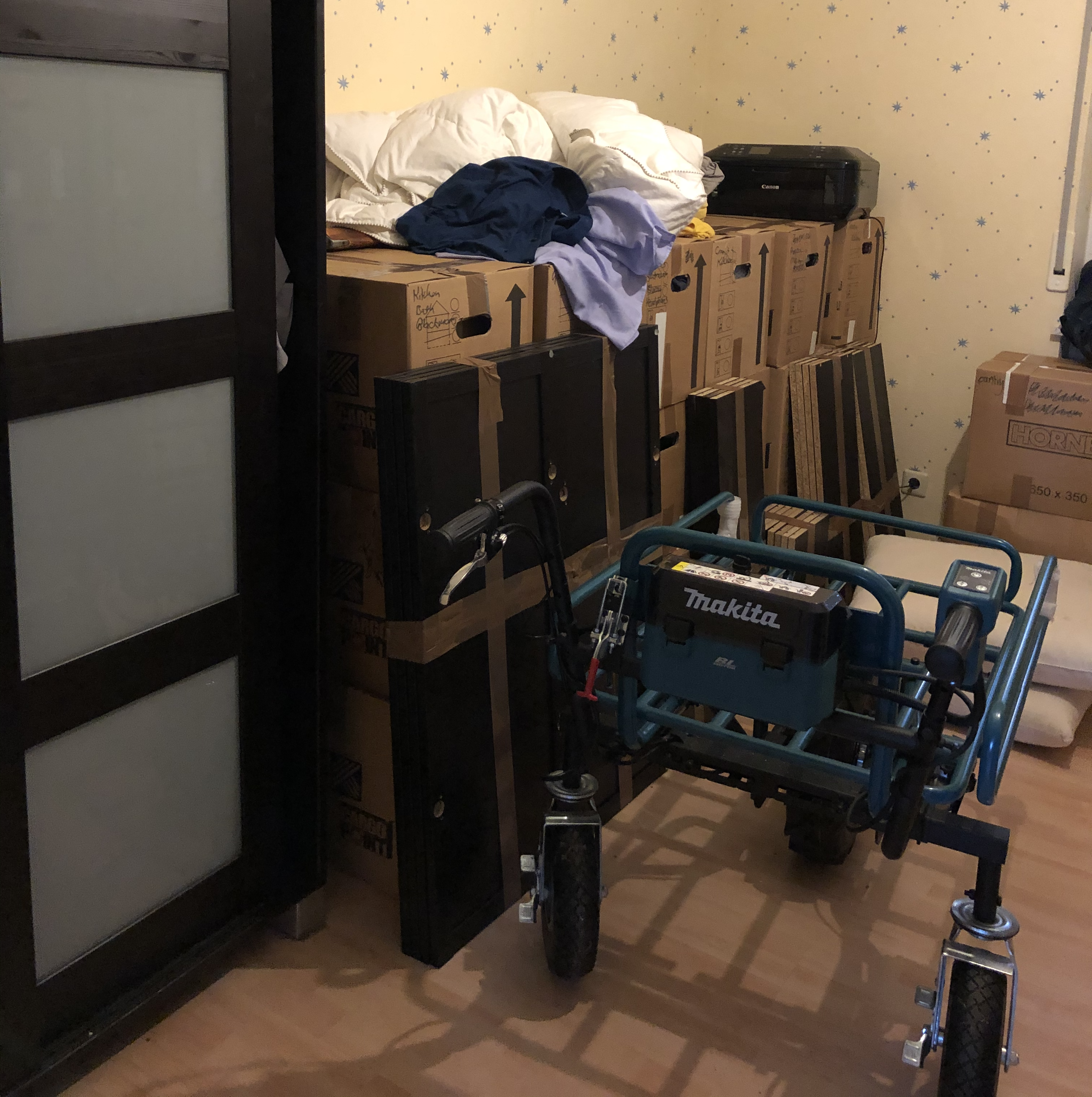
Use funiture moving trolleys to so you don’t have to carry piles of boxes. Alternatively, Makita has a battery powered trolley which was a life-saver for my back during the last move.
Moving with pets
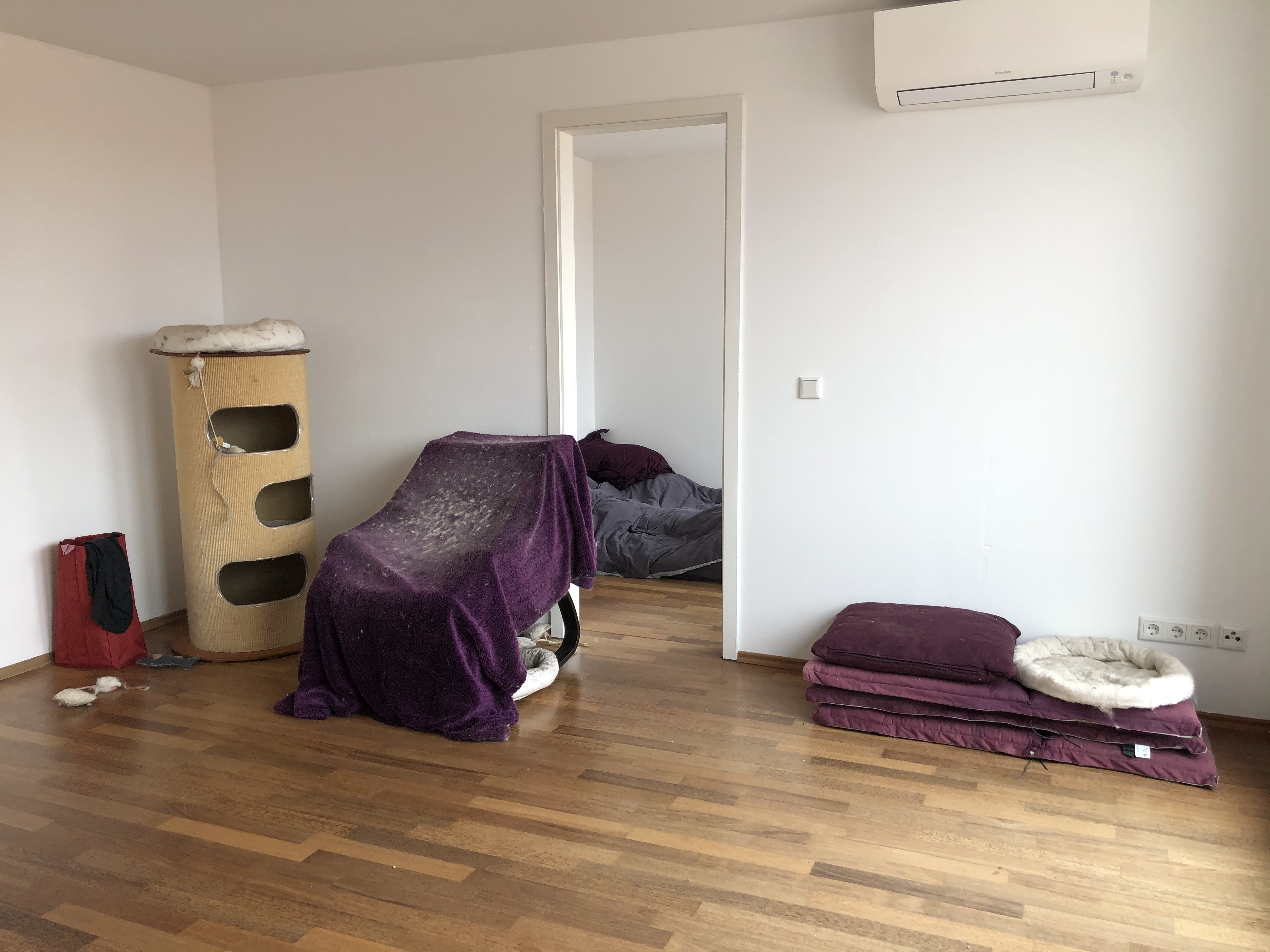
- Get a vet checkup beforehand - you don’t want to have to immediately find a vet around your new location.
- Keep your pets as calm and comfortable as possible - blankets, cushions, a mattress, a person with them at all times, toys, water, toilet, food, treats, …
- Make your pets a secure and undisturbed spot in the new place on moving day - a room that the movers or your helpers won’t disturb. Ideally, for cats, where their toilet will live - moving their toilet can be disorienting, even in a place the cats know well. Don’t open their door or they could bolt out of fright.
Moving with plants
- Don’t water for a day or two - let potted plants dry out so their pots are lighter and so they don’t dirty the truck’s floor.
- If you want to, place each pot into a plastic bag with handles and tie the handles around the trunk of the plant. This may help prevent soil spills.
- Wrap the foliage of wider potted plants in newspaper, winter protection, or wrap a tie around their branches to draw them in to protect from breakages and let them be packed more efficiently.
- Don’t forget to keep a bucket, bowl or watering can so you can water the plants on arrival.
Expect things to go wrong
Almost nothing goes as smoothly as planned. Moving house is no different, even when you have planned it ‘perfectly’.

- Pets (and people) can get sick during the move, and require extra attention and/or vet visits. Have masks available for anyone who turns up with a virus - you don’t not want to pick up an illness during a move.
- Work projects may run overtime, and you’ll be expected to spend longer than normal hours at work solving problems.
- The weather may be nasty - plan for rain (or snow/ice in winter), and then you’ll be pleasantly surprised if the weather is actually good on the days you move.
- Your planned helpers (family and friends) may have unexpected circumstances and be unable to help.
- Breakages happen - not nice, but also (typically) not the end of the world. Most importantly, carry items carefully so you don’t break yourself!
Don’t beat yourself up over things that can and do go wrong.
Take things slowly and steadily, with plenty of rest breaks. Follow your plan as you can, try not to stress, and keep plodding on.
You’ll be settling into your new place before you know it.